A prophetic saying of Muhammad from centuries ago often echoes from our mosque pulpits today: “You will surely follow the paths of those who came before you, hand span by hand span, cubit by cubit.”
For years, this terrifying prophetic warning has been diminished by preachers. They limit its interpretation to superficial matters: imitating Western dress codes, celebrating the New Year, or adopting a hedonistic lifestyle. Yet, if we dare to dissect the sociology of Abrahamic religions honestly, the Prophet’s warning points to a much more fundamental and structural tragedy: the corruption of religious hierarchy and the birth of a clerical caste that monopolizes God.
Let us look back. What destroyed the authenticity of Jewish and Christian teachings in the Middle Ages? The answer was not military invasion from the outside, but the hijacking of revelation from within.
Sacred texts were locked tightly behind the walls of Latin and ancient Hebrew, unintelligible to the common people. The authority of interpretation was monopolized by an exclusive caste of monks and priests. The laity was indoctrinated to believe that they were too stupid, too dirty, and too lowly to understand the words of their own God. Salvation of the soul, forgiveness of sins, and religious comprehension had to be purchased through the intermediaries of church or synagogue bureaucracies. Revelation morphed from universal guidance into the private property of a select elite.
Islam was born as the absolute antithesis to that feudal system. The Quran was revealed as a 100% Open Source operating system of revelation. There is no Pope in Islam. There is no conciliar council with the right to dictate who enters heaven. There is no clerical caste acting as brokers between a servant and the Creator. The revelation is bare, clear, and proclaimed to all of humanity (hudan lin-naas).
But look at the reality of the Muslim ummah today. Hand span by hand span, that prophetic warning has materialized into a bitter reality. We have adopted the very system we once destroyed.
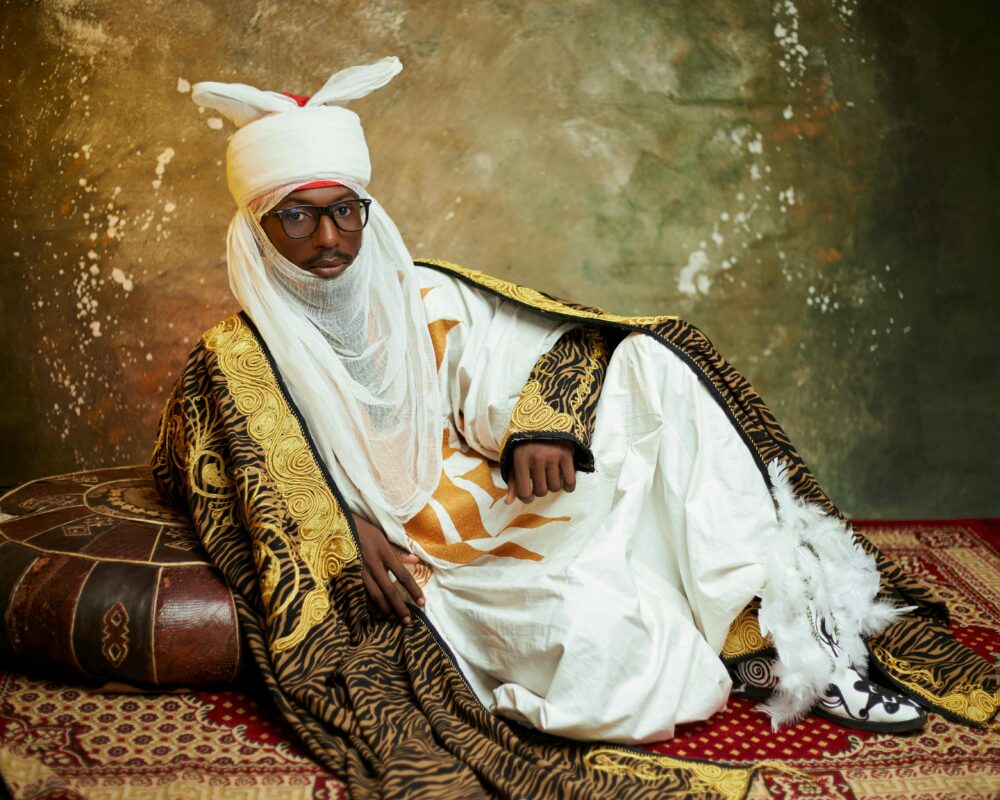
Today, certain religious figures are constructing a neo-clerical hierarchy. They wield sacred terms like “Sanad” (chain of transmission), “Ijazah” (certification), and “the 15 branches of Arabic sciences” no longer as academic instruments to preserve textual authenticity, but as barbed wire to intimidate the masses. The ummah is terrorized: “Do not dare read the translation on your own! Do not interpret it using your intellect, or you will be led astray! Leave the matters of religion to us, the turbaned elites and graduates of the Middle East.”
The result of this dogma of fear is tragic. The Muslim ummah suffers from mass intellectual paralysis. They are alienated from their own sacred book. In many homes, the Quran is only touched when a family member dies, or it is recited purely to chase the calculus of reward per letter, without ever daring to chew on its meaning. The ummah has reverted to absolute dependence on the lips of modern-day “robed monks.”
The fear propagated by these scholars is not entirely without logical merit, but they deliberately conceal one crucial line of demarcation: The difference between Tafsir (exegesis) and Tadabbur (contemplation).
Cunningly, they weaponize the danger of flawed Tafsir to rob the ummah of their right to Tadabbur.
Tafsir is the realm of academic authority. This is the theological kitchen that discusses Asbabun Nuzul (the context of revelation), formulates the jurisprudence of halal and haram, dissects Arabic morphology (Nahwu-Shorof), and establishes criminal law (fiqih jinayah). Naturally, this realm requires rigid tools and strict scientific methodology. If a layman reads a verse about amputation and recklessly executes it on the street without understanding Islamic judicial science, it is a civilizational disaster. Tafsir is the strict domain of experts.
However, Tadabbur is a Fundamental Human Right. Tadabbur is not the process of formulating laws; it is the process of contemplating verses to find a moral compass, psychological healing, and the most intimate space for dialogue with God.
When God asks repeatedly in the Quran, “Afala yatadabbarun al-Quran?” (Then do they not reflect upon the Quran?), that rhetorical question is not addressed exclusively to Al-Azhar graduates, possessors of Qiraat sanads, or those who have memorized classical texts. That question is thrown to every human being with a beating heart and a functioning mind.
God never demanded a market trader, a housewife, or a software developer to become a Mufassir (exegete). But God obligates every breathing servant to become a Mutadabbir (a contemplating thinker).
You do not need permission from any cleric to cry when reading the translation of a verse about God’s mercy. You do not need a sanad to feel slapped by a verse addressing human arrogance. That is a vertical affair between a piece of flesh called the heart and its Owner.
True puritanism today is not about growing a long beard or changing one’s dress code back to the seventh century. True puritanism is cleansing the access to revelation from the grip of clerical feudalism. It is a call to tear down the barbed wire of fear.
This revelation is too majestic, too vast, and too intimate to be merely entrusted to the lips of preachers paid by the broadcast hour. It is time for the Muslim ummah to reclaim their rights. Do not let your intellect be paralyzed. Open the translation, reflect on its meaning, and begin a dialogue with your own Lord.